
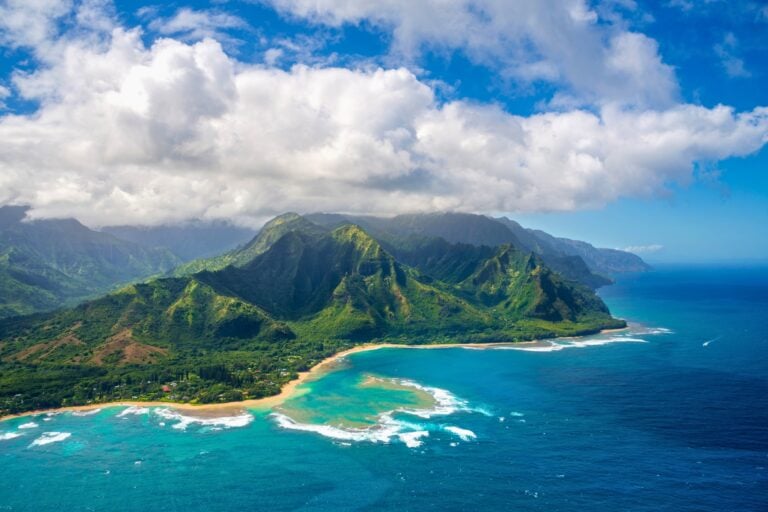

Hawaii is one of those places that feels dream-like year-round. With consistently warm weather and a welcoming aloha spirit, it’s challenging to pinpoint a single best time to visit the Hawaiian Islands.
This comprehensive guide covers everything from weather patterns to costs to crowds for every month of the year, helping you plan the perfect island getaway.
Quick Reference
- Best Overall Weather: June, July, September
- Lowest Prices: April, May, September, October
- Fewest Crowds: Mid-April to mid-June, September to mid-December
- Whale Watching: December through March (peak: January and February)
- Best Surfing: November through February (North Shore)
Best Weather to Visit Hawaii
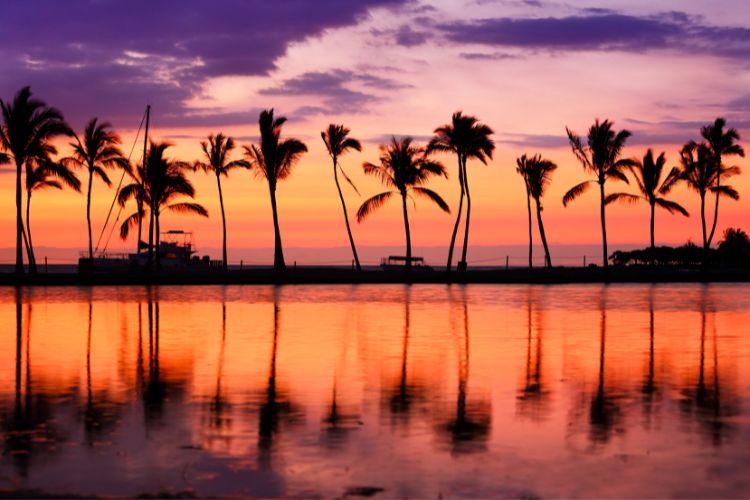
In Hawaii, there are only two seasons: summer and winter. From May to October is kau, which means summer. From November to April is ho’oilo, which means winter.
In general, the best months to visit Hawaii are June, July, and September. These months offer the warmest temperatures with the least rainfall, creating ideal conditions for beach activities, hiking and water sports.
However, because Hawaii offers pleasant weather all year, you can still enjoy lovely conditions even if you can’t travel during the summer.
Keep in mind, though, that some parts of the islands can be wetter than others when you travel off-season, particularly the windward coasts that face the prevailing trade winds.
Most Affordable Time to Visit Hawaii
Traveling to Hawaii is normally the most expensive during the summer peak season. So, if you want to save money, travel during the off-season or shoulder seasons.
In Hawaii, the shoulder seasons are from mid-April to the beginning of June and from September to mid-December (before American Thanksgiving).
However, spring break in late March and early September can bring heavier traffic and higher prices, so plan ahead.
Lahaina and Honolulu are among the most visited cities. In the off-season, you can find more affordable accommodation even in these popular destinations.
When you cash in your points and miles, you may have more flexibility, though hotel award rates fluctuate with peak and off-peak seasons as well.
Important Note for 2026: Starting January 1, 2026, Hawaii’s Transient Accommodations Tax (TAT) will increase from 10.25% to 11%. With additional county lodging taxes and General Excise Tax, visitors will pay approximately 19% in total taxes on accommodations, among the highest rates in the nation.
Best Time to Avoid Crowds in Hawaii
Hawaii’s busiest season normally begins in mid-December and lasts until mid-April. You will see the fewest crowds from mid-April to mid-June and again from September to mid-December before the holiday rush resumes.
While summer (June through August) is not considered Hawaii’s peak season, it does draw sizable crowds, especially families. If you travel to Hawaii during peak months, consider exploring less popular locations outside of Honolulu and other major resort areas.
Best Time for Wildlife Watching in Hawaii

Between November and May, humpback whales migrate to Hawaii in huge pods, with peak viewing from December through March (especially January and February).
Maui and the Kohala Coast of the Big Island are two of the best places on the planet for whale watching. Early arrivals can be spotted as early as October, with the last whales departing in late April or early May.
If you want to see Hawaiian green sea turtles, Ho’okipa Beach in Maui is a great spot. To increase your chances, visit during nesting season in the summer. Remember to maintain a respectful distance and never touch or approach the turtles.
Best Time for Surfing in Hawaii

There are four Hawaiian Islands suitable for year-round surfing: the Big Island, Maui, Oahu and Kauai. In the winter, the waves are larger off the island’s north coast, which is reserved for more experienced surfers.
The south coast has calmer seas and is better for beginners during winter. This pattern reverses during summer. Beaches in Lahaina, Kaanapali and Kihei on Maui provide ideal conditions for beginners to get their feet wet.
The big wave surfing competitions on Oahu‘s North Shore are hugely popular among surfers and spectators. The season runs from mid-November through February, with events like the Vans Triple Crown of Surfing drawing the world’s best surfers.
Understanding Hurricane Season
The Central Pacific Hurricane Season officially runs from June 1 to November 30, with the highest risk typically in August and September.
While hurricanes rarely directly hit Hawaii, it’s worth noting when booking travel during these months. The perception of hurricane risk can contribute to lower prices and fewer tourists during the fall.
Best Time to Visit Hawaii for Entertainment

Summer is reserved for the Prince Lot Hula Festival and other cultural celebrations. In June, one of the most important holidays for Hawaiians is King Kamehameha Day (June 11), which is celebrated across several islands with parades and festivities.
In fall, many events and festivals happen. The Aloha Festivals take place in September, featuring the Royal Court Introduction, the Waikiki Ho’olaule’a block party and the colorful Floral Parade.
The Hawaii Food & Wine Festival occurs in October, with events across Oahu, Maui, and the Big Island. The weather during these months is perfect for outdoor celebrations and learning new cooking skills at festival workshops.
Winter is the peak season for surfing competitions, including Oahu’s Vans Triple Crown. Winter also brings the Hawaii International Film Festival in October and November. The Honolulu Marathon in December draws participants from around the world.
If you’re visiting Hawaii in spring, you can attend the Memorial Day Lantern Floating Festival or the Honolulu Festival in March.
The Merrie Monarch Festival, held the week after Easter in Hilo, is one of the world’s premier hula competitions. Lei Day is another spring celebration, held on May 1st to celebrate different types of lei.
Visit Hawaii Every Month of the Year
Since Hawaii offers pleasant weather year-round, here is a detailed breakdown by month. You can see what it’s like to be in Hawaii from January to December.
January in Hawaii

This is one of the busiest months for travelers visiting Hawaii. Hotels and resorts must be booked well in advance for the best availability and prices. The average temperature ranges from 65°F to 80°F with approximately 2 to 3 inches of rain, varying by location.
January is prime time for whale watching, with humpback whales arriving in large numbers. It’s also PGA golf tournament season on several islands.
February in Hawaii
February remains a popular month, particularly around Presidents’ Day weekend. The weather is nearly identical to January, with temperatures in the 70s and low 80s.
It’s also one of the peak months for whale watching, making it an excellent time for marine life enthusiasts despite being among the wetter months of the year.
Tourists looking to escape cold weather at home typically fill hotels during January and February to enjoy national parks, beaches and world-class waves.
March in Hawaii

Spring break brings increased visitors to Hawaii. The weather remains pleasant and warm, though rainfall continues.
Events like the Prince Kuhio Parade and Festival draw larger crowds. Whale watching remains excellent through mid-March.
April in Hawaii
Except for Easter weekend, the tourist season calms down considerably in April. Temperatures range from the low 70s to the mid-80s. There is less rain than in the winter months, and it’s one of the best times to visit the islands with good weather, fewer crowds, and reasonable prices.
This is an ideal shoulder season month for travelers seeking the best balance of good weather and value.
May in Hawaii

Image by harukamucha from pixabay via Canva
The dry season begins in May on many islands. Temperatures are pleasant, and there is typically around 1 inch of rain or less.
Late spring is also one of the most affordable times for families to visit, right before high season. Hotel rates are reasonable and airfare is more accessible.
Lei Day celebrations on May 1st offer a wonderful cultural experience.
June in Hawaii

In June, Hawaii’s summer season begins in earnest. Temperatures can reach into the upper 80s with less than 1 inch of rainfall during the month. It’s an excellent time to explore the islands and enjoy water sports.
King Kamehameha Day celebrations on June 11th bring parades and cultural festivities. The Kapalua Wine & Food Festival on Maui attracts culinary enthusiasts.
July in Hawaii
July typically sees a slight increase in rainfall compared to June, though the weather remains predominantly sunny and warm.
Average temperatures hover in the mid to upper 80s. Although conditions can be humid, it’s a popular month for families visiting the islands during summer vacation.
August in Hawaii

August is often the hottest month, with daytime temperatures exceeding 90 degrees and minimal rainfall (often less than 1 inch).
This is an excellent time to visit Hawaii if you love consistently sunny days and want to spend as much time as possible on the beach.
You can enjoy snorkeling, diving, hiking to waterfalls and other outdoor activities in near-perfect conditions. Sea turtle nesting season is in full swing.
September in Hawaii
In September, families with school-age children return home and the season becomes notably quieter with fewer crowds on all the islands.
The weather remains excellent, often with some of the warmest ocean water temperatures of the year. Hurricane season is nearing the end in September, though direct hits remain rare.
The Aloha Festivals bring vibrant celebrations throughout the month, creating a festive atmosphere without the peak season crowds.
October in Hawaii

October is prime time for events and festivals. The Hawaii Food & Wine Festival spans multiple islands with culinary events, cooking demonstrations and wine tastings.
The Hawaii International Film Festival showcases Pacific filmmakers.
Rainfall on the islands increases compared to summer, and temperatures moderate slightly to the 70s and 80s. From October through mid-December, rainfall will continue to increase until the brief dry period before Christmas and the New Year.
November in Hawaii
November is typically the wettest month with approximately 4 to 5 inches of rain in many locations, marking the middle of the rainy season. Temperatures remain comfortable in the 70s and 80s. If you enjoy slower travel and don’t mind occasional rain showers, this is an excellent time to visit Hawaii with significantly fewer crowds.
The first whale sightings typically occur in November. The Kona Coffee Cultural Festival on the Big Island celebrates the island’s famous coffee culture.
December in Hawaii

In December, temperatures can dip into the mid-60s at night, and rainfall averages around 3 inches. Still, many visitors come during the holidays for the unique experience of celebrating Christmas and New Year on the beach.
Whale watching season is in full swing by mid-December. The Honolulu Marathon attracts runners from around the world. Hawaiian-style holiday celebrations include Christmas parades, tree lightings, and festive luaus. Early December offers better availability and lower prices before the holiday rush begins in mid-December.
Planning Your Hawaii Trip

There is truly no bad time to visit Hawaii. Depending on where you stay and which islands you visit, you can expect warm weather and sunshine for most of the year.
What to Pack
- Summer (May to October): Light, breathable clothing, reef-safe sunscreen, swimwear, light rain jacket
- Winter (November to April): Light layers, a sweater for evenings, rain jacket, and comfortable walking shoes
- Year-round: Sun protection, water shoes for reef exploration, hiking shoes if visiting national parks
Booking Timeline
For the best rates and availability, book flights and accommodations 2 to 4 months in advance, especially if traveling during peak seasons (mid-December to mid-April or summer months). Award flight availability often correlates with demand, so early booking is essential even when using points and miles.
Island Considerations
Different islands have different microclimates and visitor patterns. Oahu receives the most tourists, while Kauai and the Big Island offer more opportunities to avoid crowds. Maui is the premier destination for whale watching, while Oahu’s North Shore is legendary for winter surfing.
Each island has windward (wet) and leeward (dry) sides, so weather conditions can vary dramatically within just a few miles. This means you can often find sunshine by simply driving to a different part of the island.
Hawaii’s combination of perfect weather, rich culture, and endless outdoor activities makes it an ideal destination year-round. By understanding seasonal patterns, you can choose the timing that best matches your priorities, whether that’s the lowest prices, the best weather, the most exciting events, or simply avoiding the crowds.
Plan Your Trip
We recommend sourcing your travel essentials from reliable providers:
- Flights & Hotels: Check platforms like Expedia or Booking.com to compare options and find the best fit for your schedule and budget.
- Car Rentals: Renting a car is the easiest way to explore different parts of each island. Discover Cars offers a wide selection of vehicles.
- Tours & Activities: For experiences like snorkeling, hiking, or cultural excursions, browse offerings on Viator, GetYourGuide, or Tripadvisor Experiences.
Inspire your next adventure with our articles below:
- Which Hawaiian Island is Best to Visit? A Guide to Hawaii
- Exploring the Contrasting Beauty of Hilo and Kona: A Journey Through the Island of Hawaii
Author Bio: Danijela Horvat is a travel writer with a passion for discovering new destinations. With a background in journalism and photography, she translates her own experiences into engaging articles for readers planning their adventures.
Want to discover more hidden gems and helpful travel tips? Join our free newsletter for the latest travel secrets and travel articles.
We are reader-supported and may earn a commission on purchases made through links in this article.

- Kagawa, Japan Is the Udon Capital—Where to Eat Sanuki Noodles and How to Get There - September 28, 2026
- I Went to Istanbul for Five Days. I Am Still Not Over It. - September 28, 2026
- Inside Hawaii Island’s Lava Tubes: Nāhuku, Kaumana and a Guided Cavern Near Hilo - September 27, 2026
Planning another trip soon? ✈️
Add GoWorldTravel.com as a preferred source on Google. Click the button below so our local guides, packing hacks, and hidden-gem itineraries always show up first when you search!
Add to Preferred Sources