
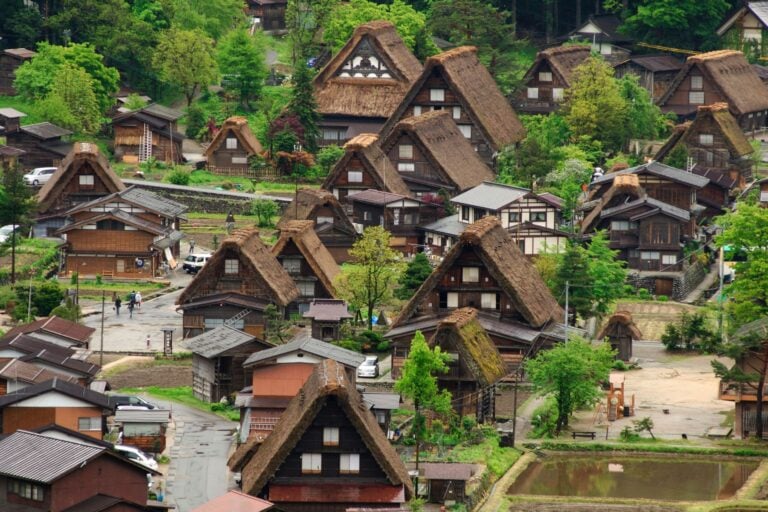
Shirakawa-go, a famous World Heritage village in Gifu Prefecture, not far from my home in Toyama, seems to be attracting more international visitors than ever.
When I visited the village with some old friends last month, it felt like more than half the visitors were from overseas. The narrow streets were filled with travelers speaking a variety of languages, all eager to experience the unique atmosphere of this historic mountain community.
Why has Shirakawa-go become so popular among international travelers? The answer lies in its thatched-roof farmhouses, its slow village rhythms and scenery that changes completely with each season.
A Mountain Village Shaped by Isolation
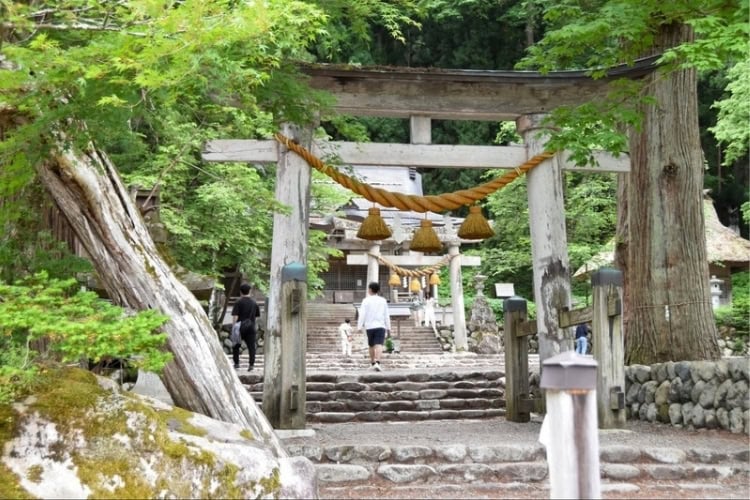
Photo by Masayoshi Sakamoto
Shirakawa-go lies deep in the mountains of central Japan, between Kanazawa on the Sea of Japan coast and Nagoya to the south. Its remote setting remains one of the village’s greatest attractions, drawing international travelers seeking a glimpse of Japan’s traditional rural life.
Today, Route 156, the Tokai-Hokuriku Expressway, and the Hakusan Shirakawa-go White Road, which opens seasonally, provide access to the village. Before World War II, however, the area was largely isolated from the outside world, allowing its distinctive culture and way of life to develop apart from the forces of modernization.
After leaving the expressway, a few gassho-zukuri farmhouses come into view. With their steeply pitched thatched roofs, these historic homes create one of Japan’s most recognizable rural landscapes.
Visitors may be eager to continue straight into the village by car, but private vehicles are generally not permitted beyond the entrance. Instead, drivers are directed to the main parking area.
The parking area sits across the clear waters of the Shogawa River from the village. The Deai Bridge, a suspension bridge, leads visitors into the heart of Shirakawa-go. Once, I took my Australian friends there, and they enjoyed the thrilling bridge crossing. They said the bridge could be a good entry point to the World Heritage site.
Walking Through a Living World Heritage Site
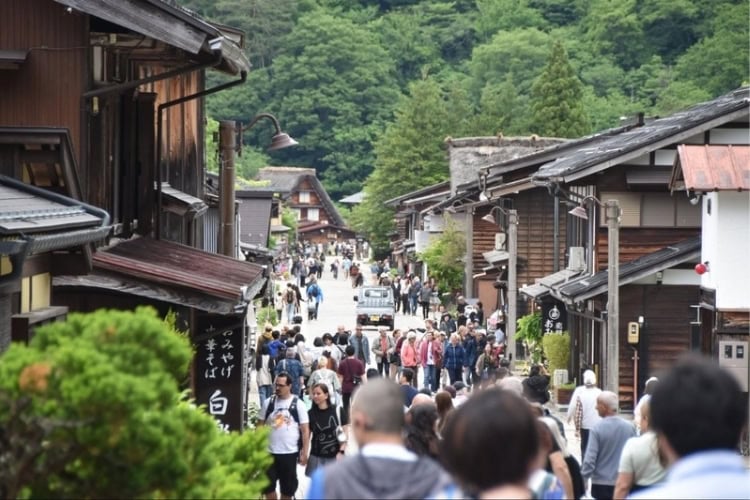
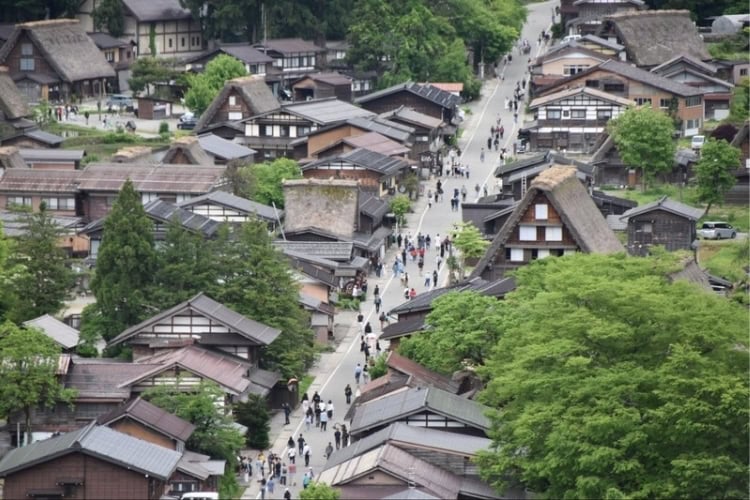
Crossing the bridge, visitors are greeted by Shirakawa-go’s iconic gassho-zukuri farmhouses. They stand in sharp contrast to the modern cityscapes found elsewhere in Japan and around the world. The historic homes provide countless opportunities for memorable photographs. However, drones are banned in Shirakawa-go, and the houses are private homes.
Most travelers begin by strolling along the village’s main street, with souvenir shops and snack stands. Along the way, they admire the traditional architecture, and increasingly, visitors also make their way to the observation deck on the hillside overlooking the village.
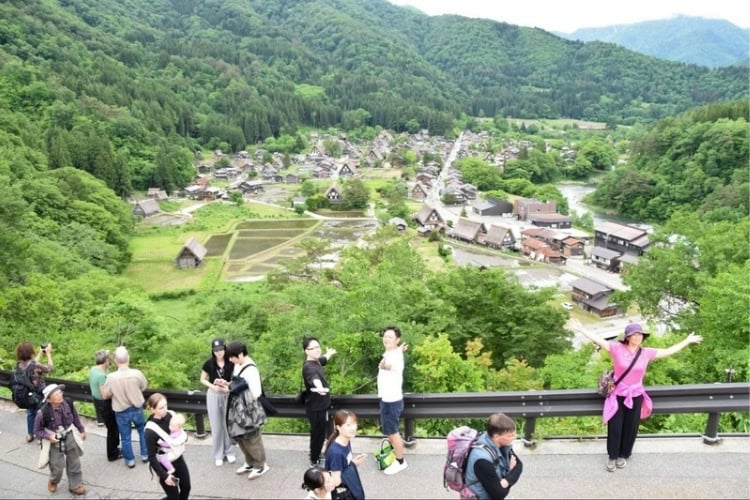
The panoramic view from the observation deck is one of Shirakawa-go’s greatest highlights. While shuttle buses are available, the uphill walk takes about 15 to 20 minutes and is well worth it. Following one of the quieter back streets to the observation deck offers a glimpse of a different side of village life.
Everyday Life in a Working Village
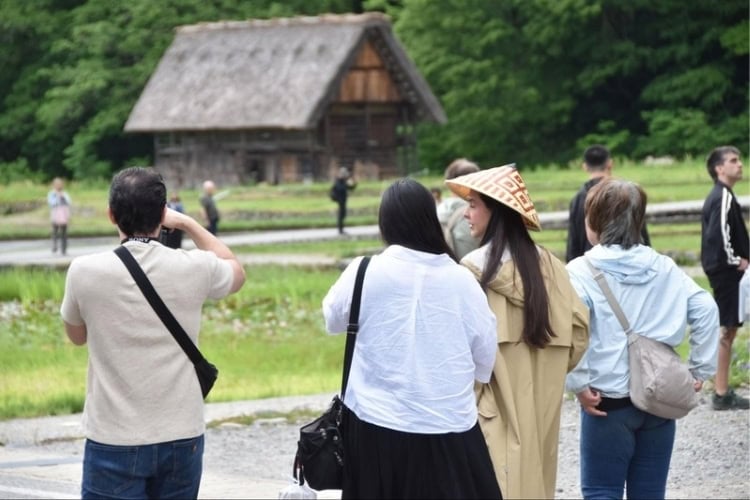
Shirakawa-go is not a recreated tourist attraction but a living village where residents continue to preserve their traditional way of life.
During one of my recent visits, I watched groups of international travelers stop in their tracks, captivated as local farmers planted rice in the paddies surrounding the traditional farmhouses.
A leisurely stroll through the village offers a chance to experience the gentle rhythms of everyday life, set against a backdrop of mountains, emerald rice paddies, and centuries-old thatched farmhouses.
Four Seasons, Four Different Faces of Shirakawa-go
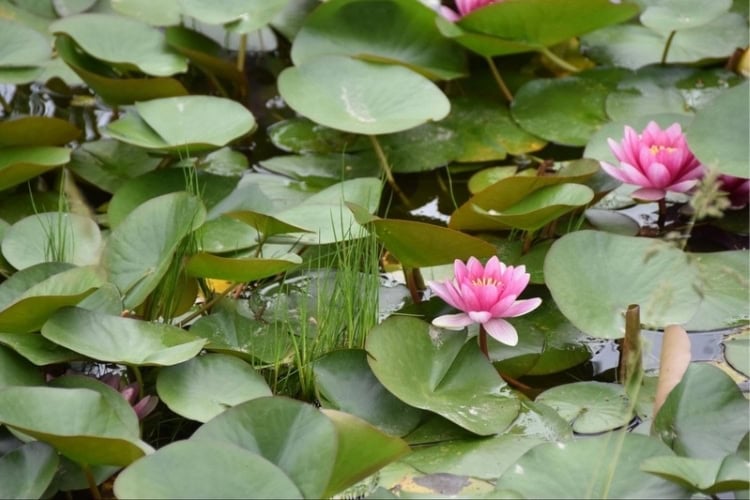
Shirakawa-go reveals a different character with each season and even at different times of day. Surrounded by mountains, the village receives some of the heaviest snowfall in Japan. Designated as a special heavy-snowfall area, it developed its distinctive gassho-zukuri architecture to withstand long winters and the weight of deep snow.
Winter transforms the village into a striking white landscape, and the seasonal illuminations are among its most popular attractions. The illuminations run on just a few nights each January and February and require advance reservations. Travel conditions, however, can be challenging during the snowiest months.
Spring brings a quieter beauty. As rice paddies are filled with water ahead of the planting season, the surrounding mountains and traditional farmhouses are reflected on their mirror-like surfaces, creating some of the village’s most photogenic scenery.
Summer can be hot and humid, but the mornings and evenings are often refreshing. The mountains are covered in lush greenery, and the clear waters of the Shogawa River add to the season’s appeal. Visitors can enjoy the slower pace of village life while taking in the vibrant colors of the countryside.
Autumn offers another memorable scene. Rice fields turn golden before harvest, while the surrounding forests and village trees are painted in shades of red, orange, and yellow.
In late October or early November, the village holds its annual fire drill, with water sprayed simultaneously from dozens of hoses against the autumn foliage. It’s a community event rather than a tourist attraction, so the date isn’t announced ahead of time.
Pairing Shirakawa-go With Kanazawa
On my most recent visit to Shirakawa-go, I continued to Kanazawa, the historic capital of neighboring Ishikawa Prefecture.
At an ice cream shop there, I struck up a conversation with a couple from Brisbane, Australia. They had spent several days exploring Kanazawa before traveling to Shirakawa-go. Their itinerary reflected a popular travel route, as the two destinations are often visited together.
If You Go
Getting There
For many international travelers, the trip begins in one of Japan’s major cities, such as Tokyo or Osaka, followed by a ride on the Shinkansen to Kanazawa. From there, frequent highway buses reach Shirakawa-go in under 90 minutes, and seats require reservations. The village is also easily reached from Nagoya, where direct highway buses take about three hours, making Shirakawa-go a convenient stop for travelers exploring central Japan. After visiting the village, many continue to Kanazawa. For planning basics, see the Travel Guide to Japan.
Tours
For travelers who would rather leave the bus timetables to someone else, this guided day tour from Kanazawa Station covers Shirakawa-go and Takayama in a single day, with a Hida-style lunch included. Learn more here.
Where to Stay
- Shirakawago Gassho-house Rihei: Sleep under a thatched roof at this farmhouse guesthouse in the heart of Ogimachi, with tatami rooms, futons and a local breakfast. An overnight stay means seeing the village quiet down after the day visitors leave.
- Hyatt House Kanazawa: This hotel is an 8-minute walk from Kanazawa Station, where buses and tours to Shirakawa-go depart. Most rooms have kitchens, which helps on a longer stay in the city.
Best Time to Visit
Shirakawa-go is beautiful year-round, with fresh greenery in spring, vibrant autumn colors and snowy scenery in winter.
More Information
For the latest details on transportation, accommodations and seasonal events, visit the official Shirakawa-go tourism website.
Need a hand planning your trip? Here are the sites and services we rely on most, from booking tools to travel products we love.
Inspire your next adventure with our articles below:
- Kagawa, Japan Is the Udon Capital—Where to Eat Sanuki Noodles and How to Get There
- Circling Japan by Small Ship, Far From the Tourist Crowds
Author Bio: Masayoshi Sakamoto is a Japanese writer, translator, and editor living in Toyama, Japan. He is the editor-in-chief of a local magazine, Hokuroku, and was the chief editor of a popular digital business magazine based in Tokyo, bizSPA!.
Want to discover more hidden gems and helpful travel tips? Join our free newsletter for the latest travel secrets and travel articles.
We are reader-supported and may earn a commission on purchases made through links in this article.

- Why Japan’s Shirakawa-go Continues to Captivate Travelers From Around the World - October 29, 2026
- Just Moved Overseas? Beat the Three-Month Culture Shock Wall - October 28, 2026
- San Juan de Gaztelugatxe: Spain’s Clifftop Hermitage and Real-Life Dragonstone - October 28, 2026
Planning another trip soon? ✈️
Add GoWorldTravel.com as a preferred source on Google. Click the button below so our local guides, packing hacks, and hidden-gem itineraries always show up first when you search!
Add to Preferred Sources