
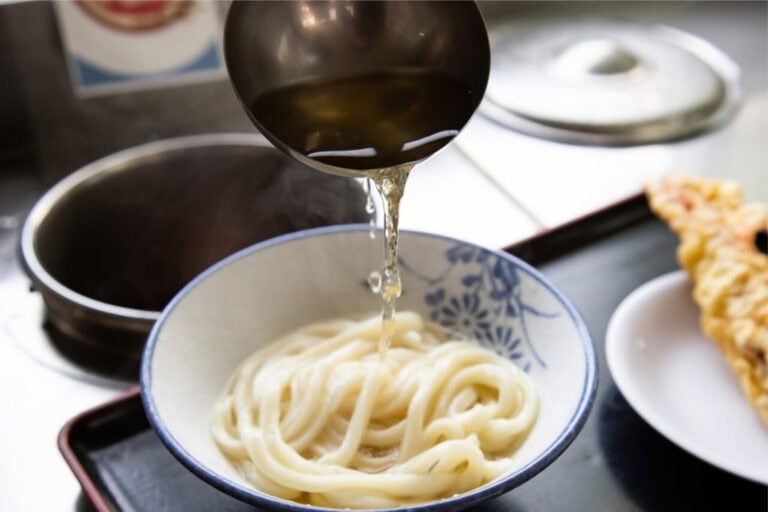

Japan is famous for its diverse noodle culture. While ramen is perhaps the country’s best-known noodle dish, udon, thick, chewy noodles made from wheat flour, has also gained growing recognition among international travelers, according to recent surveys.
This article focuses on udon rather than ramen. While udon can be found throughout Japan, the spiritual home of udon is widely considered to be Kagawa Prefecture on Shikoku Island.
One of my daughters’ closest friends lives in Kagawa, and our family visits the prefecture regularly. Drawing on those experiences, this article explores Kagawa through the lens of its humble yet deeply rooted udon culture, a form of gastronomy tourism that offers an authentic glimpse into everyday Japanese life.
Finding Your Own Favorite Bowl
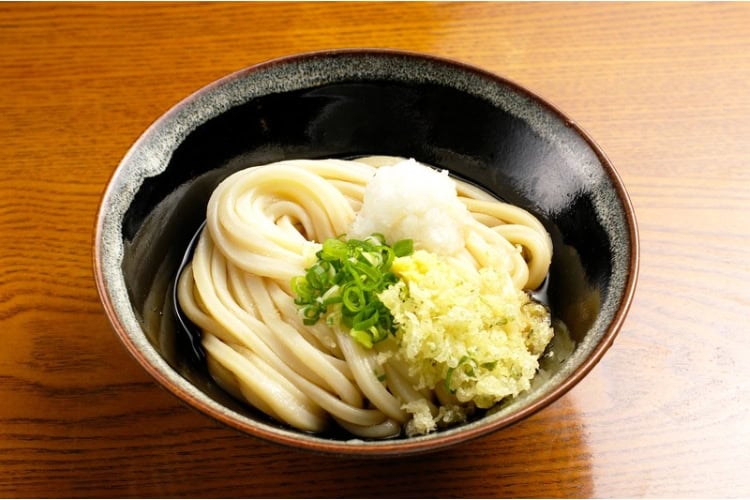
Ask ten locals in Kagawa where to find the best udon restaurant, and you are likely to receive ten different answers. That is part of the culture. Sanuki Udon has become synonymous with authentic, high-quality udon throughout Japan. Yet despite its nationwide reputation, it remains deeply rooted in everyday life, where personal taste matters more than rankings or reviews.
As for me, I am perfectly happy with a bowl from Merikenya, located just outside JR Takamatsu Station. I once had breakfast there with my family, and I still remember the firm, chewy texture of the cold noodles and the rich umami of the broth.
A local once joked that Merikenya is “the convenience store of Sanuki udon” because it is so easy to find. I did not mind at all. After all, there is no single answer to the question of which Sanuki udon is the best.
If you’re planning a trip to Japan, check out our Japan Travel Guide, where you’ll find a curated selection of articles to inspire you and help plan your trip.
Beloved Family-Run Udon Shops Across the Prefecture
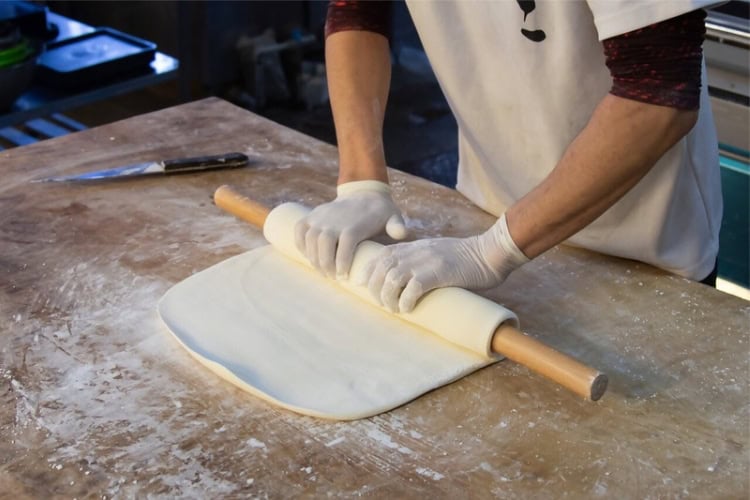
Across the prefecture, numerous small, family-run restaurants continue to preserve the traditional craft of handmade udon. Well-known destinations include Waraya in Takamatsu, Yamauchi in Manno, Nakamura in Marugame, Gamou in Sakaide, and Yamagoe in Ayagawa, all of which have attracted devoted fans from across Japan.
For travelers who would rather let a local do the deciding, a guided udon hopping tour visits two of Kagawa’s favorite shops in one outing, tastings included, so you can compare styles without picking just one.
When you visit Kagawa and discover a bowl of udon that makes you smile, trust your own taste. That restaurant may become your own favorite, and that is exactly how Sanuki udon is meant to be enjoyed.
Why Kagawa Is the Heart of Japan’s Udon Culture
A survey found that more than 70% of Japanese people eat noodles at least once a week, while more than half enjoy them several times a week.
Although Japan is home to many different kinds of noodles, another survey revealed that the most popular noodle dish prepared at home is udon.
However, if asked to name the home of authentic udon, most Japanese people would point to one prefecture: Kagawa.
According to legend, the famous Buddhist monk Kūkai brought noodle-making techniques back from China more than 1,200 years ago. Over time, the tradition flourished in Sanuki thanks to its favorable climate, abundant wheat production, and the local need for an alternative staple food in a region where rice was relatively scarce.
Sanuki udon became widely popular through several key turning points in its history. The first came at the Osaka Expo in 1970. Visitors watched demonstrations of traditional handmade udon at the Kagawa Prefecture booth, while the prefectural governor actively promoted the region’s signature noodles.
The Magazine Series That Sparked a Nationwide Udon Boom
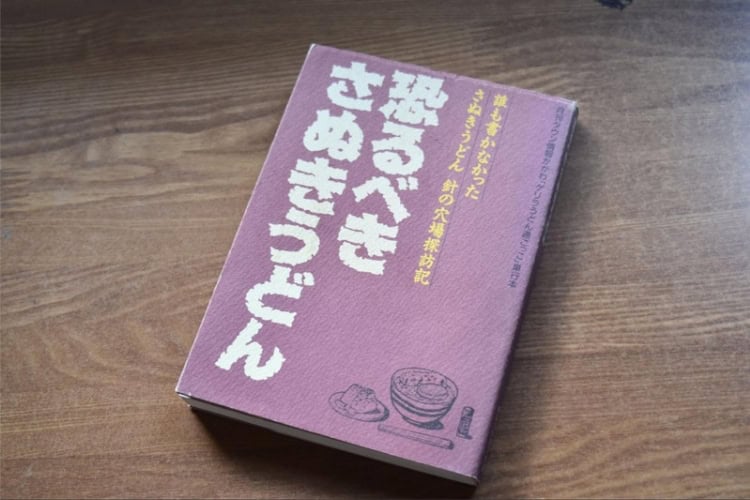
Another milestone came around 1990. A local magazine launched a series featuring little-known udon shops throughout the prefecture. The editors believed that although Sanuki udon had already gained popularity, many restaurants had become too commercialized. As a local media outlet, they felt it was their mission to rediscover small, authentic shops that preserved the true spirit of Sanuki udon.
The series was later published as a book, which became a bestseller and sparked a nationwide boom in “udon pilgrimages.” People from all over Japan traveled to Kagawa in search of rustic noodle shops that had preserved the traditional art of handmade Sanuki udon.
Even the renowned novelist Haruki Murakami wrote an essay about his journey to explore Sanuki udon.
Through these developments, Sanuki udon gained nationwide recognition and established its reputation as Japan’s most authentic style of udon.
Where and How to Eat Authentic Sanuki Udon
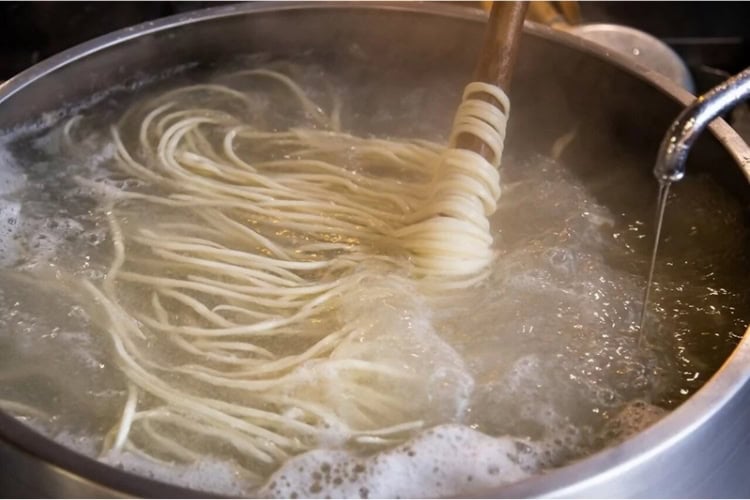
Today, travelers can enjoy Sanuki udon almost anywhere in Japan, including Tokyo. If you do not have enough time to visit Kagawa, you can still experience this regional specialty at restaurant chains across the country.
Some of the major chains, including Marugame Seimen and Hanamaru Udon, have even expanded overseas, allowing people around the world to discover the taste of Sanuki udon, but its true spirit is still found in its birthplace: Kagawa.
How to Order and Enjoy Your Bowl
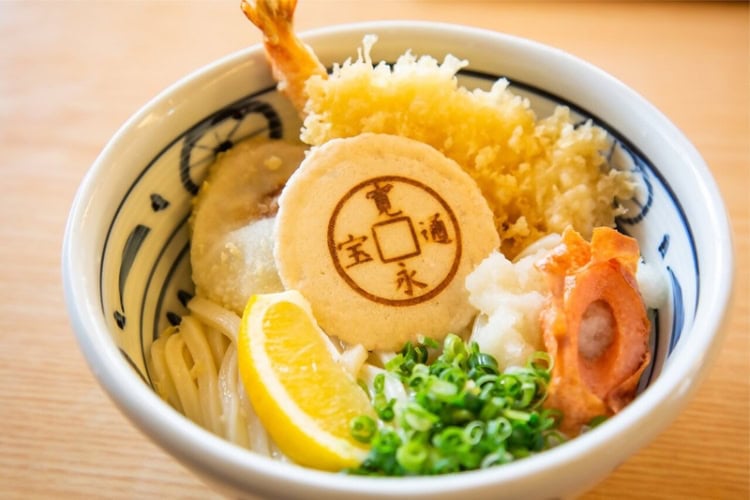
Eating Sanuki udon is simple. First, choose your preferred style of noodles and broth. The noodles can be served hot or cold. While the broth may be poured over the noodles, many shops also offer dry-style udon with little or no broth.
Next, add your favorite toppings. Popular choices include tempura, green onions, grated ginger, and a soft-boiled egg. Of course, many locals insist that a bowl of plain Sanuki udon is the ultimate way to appreciate the noodles’ firm, chewy texture and delicate wheat flavor.
When it is time to eat, simply pick up the noodles with your chopsticks and enjoy. Don’t worry about making a slurping sound. It is perfectly acceptable in Japan and is often considered a sign that you are enjoying your meal. So feel free to leave your table manners from home behind and savor your bowl the local way.
If your chopstick skills need a refresher before you go, here’s how to use them like a pro so you can focus on the noodles instead of the technique.
How to Go to Kagawa

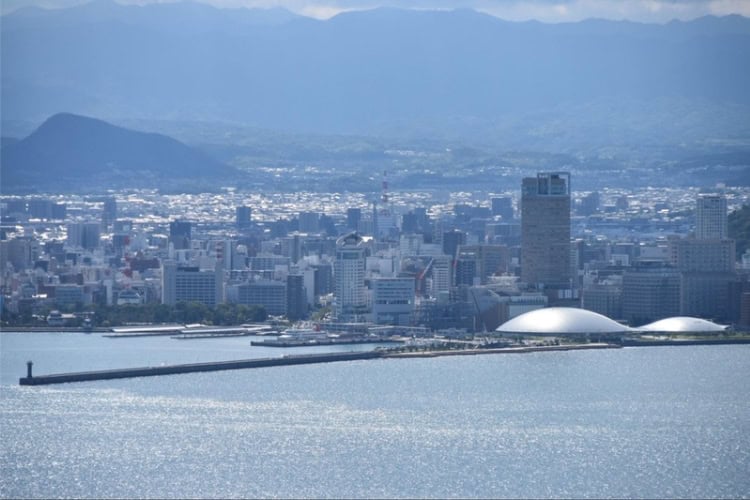
Although Kagawa sits on the northeastern corner of Shikoku, Japan’s smallest main island, it is easy to reach from the country’s major cities.
From Tokyo, the fastest option is a domestic flight to Takamatsu Airport, which takes about 80 minutes. From the airport, downtown Takamatsu is about a 40-minute bus ride away.
Travelers who prefer rail can also take the Tokaido and Sanyo Shinkansen to Okayama before transferring to the JR Marine Liner, a scenic train that crosses the Seto Ohashi Bridge to Takamatsu. The entire journey takes around four hours.
From Osaka, Kagawa is an easy weekend destination. The Marine Liner from Okayama reaches Takamatsu in about two hours by train, while express buses connect the two cities in roughly three and a half hours. Drivers can cross the spectacular Seto Ohashi Bridge, one of the world’s longest bridge systems, in about two hours. Once you arrive, some of Japan’s finest bowls of udon are never more than a short drive or even a short walk away.
Takamatsu as Your Gateway to the Setouchi Islands
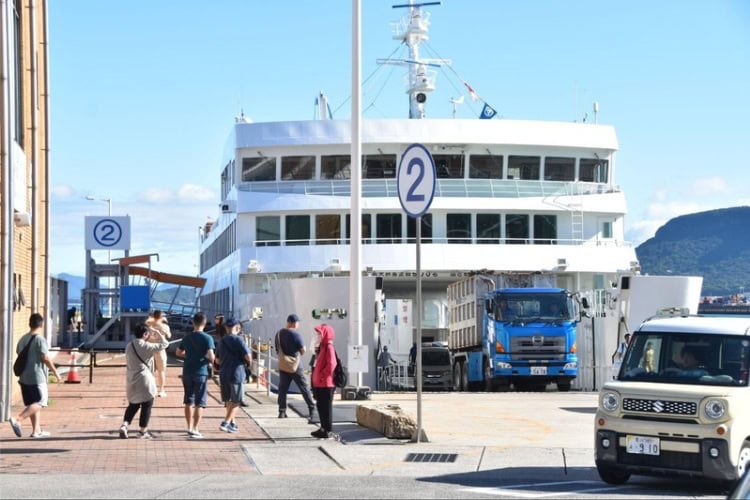
For international visitors, Takamatsu also serves as an ideal base for exploring the wider Setouchi region. The city is the main gateway to the art islands of Naoshima and Teshima, while ferries also connect Kagawa with neighboring islands and ports around the Seto Inland Sea.
If contemporary art is on the list too, a private day tour to Naoshima pairs easily with an udon stop on the way back into Takamatsu.
Udon Pilgrimages to Kagawa’s Remote Islands
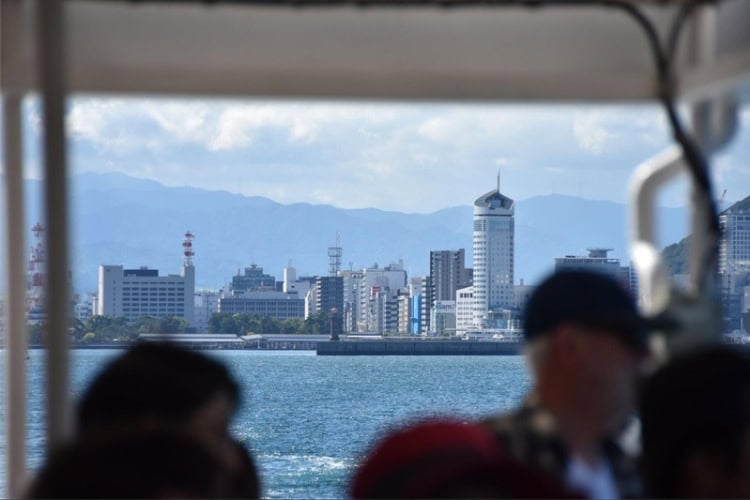
Of course, many of these small islands are home to excellent udon restaurants. Visiting these remote eateries as part of a Sanuki udon pilgrimage is an unforgettable experience.
Need a hand planning your trip? Here are the sites and services we rely on most, from booking tools to travel products we love.
Inspire your next adventure with our articles below:
- 20 Japanese Customs Every Visitor to Japan Should Know
- Visiting Markets in Japan: A Fun Introduction to Japanese Cuisine
Author Bio: Masayoshi Sakamoto is a Japanese writer, translator, and editor based in Toyama, Japan. He is the editor-in-chief of a local magazine, Hokuroku, and was the chief editor of the popular Tokyo-based digital business magazine bizSPA!
Want to discover more hidden gems and helpful travel tips? Join our free newsletter for the latest travel secrets and travel articles.
We are reader-supported and may earn a commission on purchases made through links in this article.

- Kagawa, Japan Is the Udon Capital—Where to Eat Sanuki Noodles and How to Get There - September 14, 2026
- Inside the Vatican: An Exclusive Walk Through the Pope’s Private Corridors - September 14, 2026
- 5 Romantic Island Escapes Along British Columbia’s Coast - September 13, 2026
Planning another trip soon? ✈️
Add GoWorldTravel.com as a preferred source on Google. Click the button below so our local guides, packing hacks, and hidden-gem itineraries always show up first when you search!
Add to Preferred Sources