
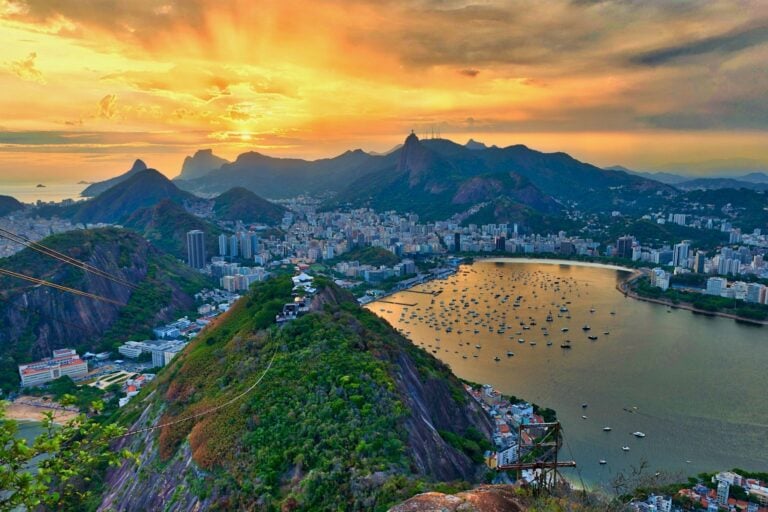

Before visiting Rio de Janeiro, I thought I understood the city.
Like most travelers, I arrived with a collection of familiar images already stored in my mind: samba dancers moving through Carnival crowds, sunbathers stretched across Copacabana, and the monumental presence of Christ the Redeemer standing high above the city with open arms. Rio has been romanticized for decades through films, music, photography, and pop culture. Even people who have never set foot in Brazil feel as if they know something about it.
But Rio is one of those rare places that refuse to be contained by a stereotype.
It’s far more layered, emotional, and contradictory than the glossy images suggest. The city feels seductive and chaotic at the same time, a place where beauty constantly collides with intensity. Jungle-covered mountains rise behind crowded avenues. Luxury apartments overlook hillside communities. Spiritual rituals quietly coexist alongside nightlife that stretches until sunrise.
Rio doesn’t unfold for you all at once. It reveals itself slowly, through contrast. I understood that most clearly while paragliding from Pedra Bonita inside Tijuca National Park.
Paragliding Above Rio

Standing on the launch ramp high above the city, I could feel my nerves intensify as the wind moved through the mountainside. Below me stretched an astonishing panorama of ocean, jungle, cliffs, and tightly packed neighborhoods woven into the landscape. Within seconds of taking off, the city transformed completely.
The silence surprised me most.
As we glided above Rio’s coastline, the chaos of the streets disappeared beneath us. The Atlantic shimmered against the shoreline while thick green mountains pressed against the urban sprawl below. From that height, Rio didn’t feel engineered or carefully organized. It felt elemental, almost untamed.
Nature wasn’t something surrounding the city. It interrupted it constantly.
The descent toward Pepino Beach in the seaside neighborhood of São Conrado felt almost cinematic. Hanging suspended above the coastline, I realized Rio exists in a permanent state of tension between civilization and nature, spectacle and intimacy, glamour and grit. That tension became the thread connecting nearly every experience I had there.
Most visitors race between Rio’s iconic attractions, snapping photos at Sugarloaf Mountain before heading back toward the beaches or nightlife districts. Those landmarks are absolutely worth seeing, but some of Rio’s most unforgettable moments happen in the spaces between the postcards.
Nature Inside The City
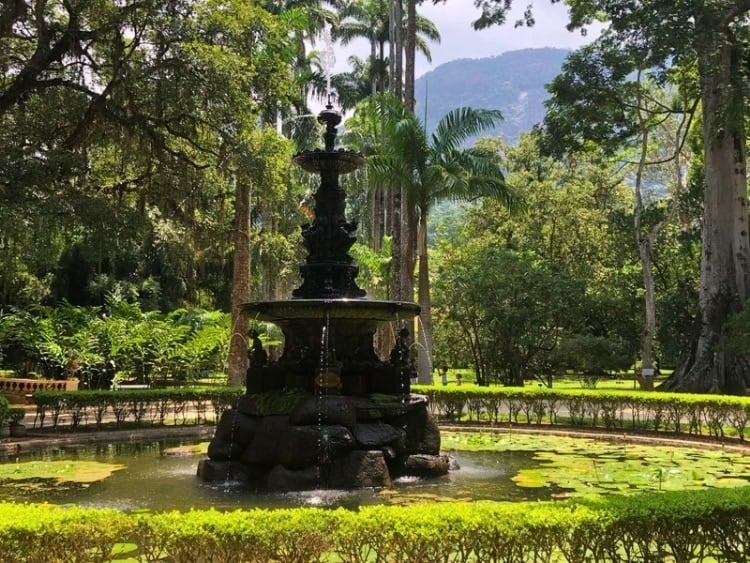
After days immersed in the city’s nonstop movement, I found myself craving silence. That search led me to the sprawling Rio de Janeiro Botanical Garden, or Jardim Botânico do Rio de Janeiro, one of the most unexpectedly moving experiences of the trip. Walking through the garden felt almost disorienting after the energy of the streets outside.
Towering imperial palms lined the pathways while dense tropical vegetation stretched endlessly around me. Monkeys darted through the trees overhead, and the humid air carried the scent of wet earth and greenery. Despite being in one of the world’s most energetic cities, the botanical garden felt suspended in an entirely different reality.
Rio constantly shifts between extremes like that. One moment, you are navigating crowded streets pulsing with music, traffic, and movement; the next, you find yourself immersed in dense tropical stillness. The city never lets you settle into a single mood for too long.
That emotional unpredictability is part of Rio’s power. The same complexity exists within the city’s neighborhoods, particularly inside the favelas that many outsiders only know through sensationalized headlines and films.
Life Inside The Favelas
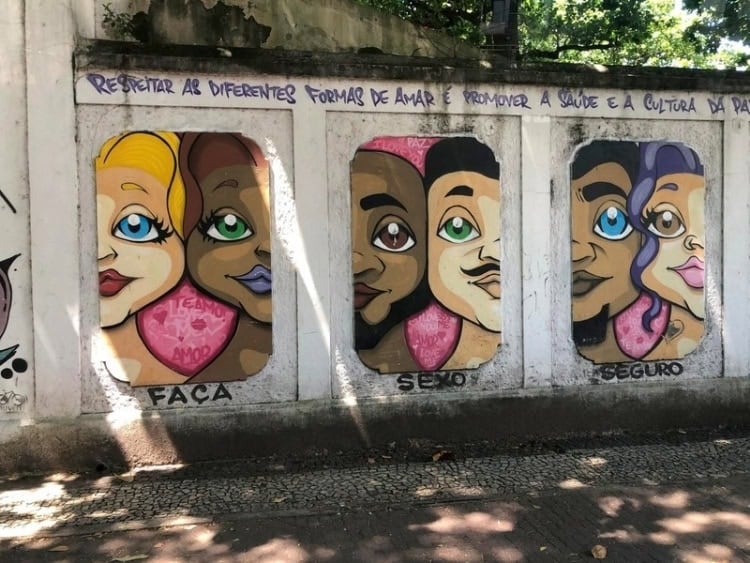
Visiting several communities with local guides challenged many of the assumptions I had unconsciously carried with me. What I encountered instead were neighborhoods overflowing with creativity, resilience, and cultural pride. Murals covered alleyways in vivid color. Music drifted from open windows. Small businesses spilled onto narrow streets where children played soccer while neighbors gathered outside talking late into the evening.
Of course, Rio’s social inequalities are impossible to ignore. The city carries visible tension between wealth and poverty, privilege and survival. But reducing favelas to danger alone erases the humanity, artistry, and sense of community thriving within them. What stayed with me most was how deeply connected people seemed to their neighborhoods. There was an energy there that felt communal rather than transactional, something increasingly rare in many major cities around the world.
Spirituality and Creative Energy
Rio’s complexity extends beyond its social landscape into its spiritual identity as well. Throughout the city, Afro-Brazilian traditions remain deeply woven into everyday life. Conversations about Candomblé and Umbanda emerged naturally while speaking with locals about ancestry, ritual, protection, and faith. Offerings left near the ocean, candles glowing quietly in corners, and references to spiritual practices appeared throughout the city in ways both subtle and profound. Even as a visitor, I could feel how spirituality permeates Rio’s atmosphere.
There’s an emotional openness to the city that feels difficult to explain until you experience it firsthand. Music, religion, art, and daily life all seem interconnected here. Nothing feels compartmentalized. Creativity spills into the streets. Conversations quickly become philosophical. Emotion is expressed openly and without apology.
That spirit culminated during one unforgettable evening at the home of legendary Brazilian musician Caetano Veloso. Walking into the gathering felt surreal. Politicians mingled beside actors from famous telenovelas while artists, intellectuals, and young musicians drifted through rooms filled with conversation and live performance. At one point, music erupted organically in the middle of the house while guests gathered in complete awe.
The atmosphere felt glamorous without becoming performative.
What fascinated me most was how naturally art existed within the evening. Music wasn’t treated as entertainment happening separately from the gathering; it was the emotional center of the space itself. Conversations moved fluidly between politics, literature, identity, and performance. Younger artists shared the same rooms as cultural icons without hierarchy dominating the atmosphere.
That night revealed a side of Rio most travelers never access. The city’s creative energy doesn’t only exist on stages or during Carnival. It lives inside intimate gatherings, neighborhood bars, late-night conversations, and impromptu performances that blur the lines between art and everyday life.
Read More: Cultural Customs and Etiquette Tips for Global Travelers
Embracing Rio’s Duality
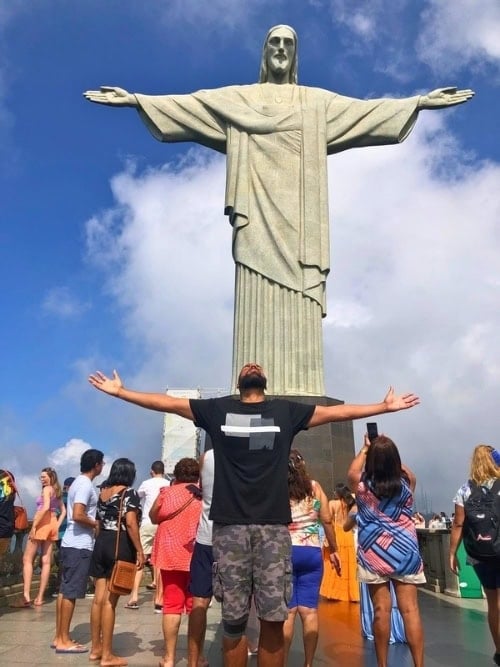
By that point in the trip, I realized the biggest misconception about Rio is that it can somehow be simplified. Travelers often arrive searching for paradise, but Rio is far too emotionally complex to fit neatly into that fantasy. The city is sensual, spiritual, exhausting, inspiring, beautiful, and overwhelming all at once. It constantly pulls you between extremes, between celebration and introspection, chaos and serenity, excess and intimacy. That emotional duality is what makes Rio unforgettable.
Long after leaving Brazil, what stayed with me wasn’t only the famous landmarks or beaches. It was the sensation of gliding above the coastline while the city breathed beneath me. It was hearing music echo from hillside neighborhoods late into the night. It was the sudden quiet of the botanical garden after hours of movement and noise. It was witnessing how deeply creativity and spirituality shape daily life in ways that feel organic rather than curated for visitors.
Rio de Janeiro doesn’t reveal itself fully to travelers chasing only the postcard version of the city.
The real Rio exists somewhere between the mountains and the music, between the jungle and the concrete, between spectacle and soul. And once you experience that version of the city, it becomes impossible to forget.
If You Go
Stay
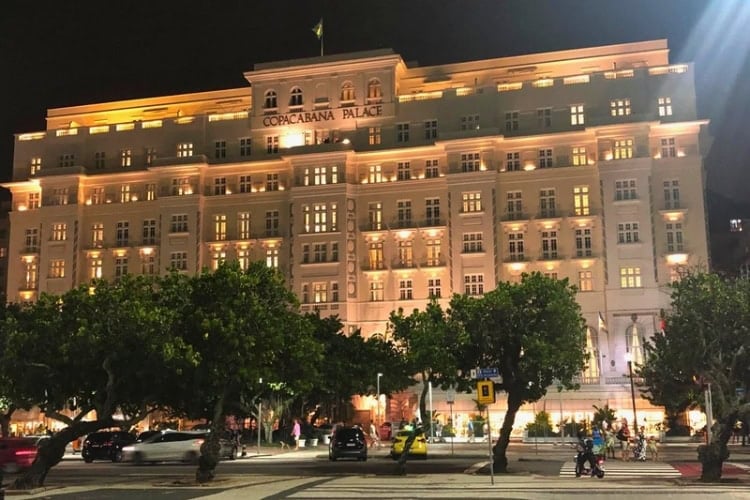
For classic old-world glamour, book a stay at Copacabana Palace, the legendary beachfront hotel overlooking Copacabana Beach that has hosted everyone from musicians to royalty.
Travelers looking for something more intimate and artsy should consider Santa Teresa Hotel RJ – MGallery in the bohemian Santa Teresa neighborhood. The property blends tropical gardens, colonial architecture, and sweeping city views while placing visitors close to Rio’s creative scene.
For a more modern luxury experience near Leblon and Ipanema, Hotel Fasano Rio de Janeiro remains one of the city’s most stylish stays.
Experience
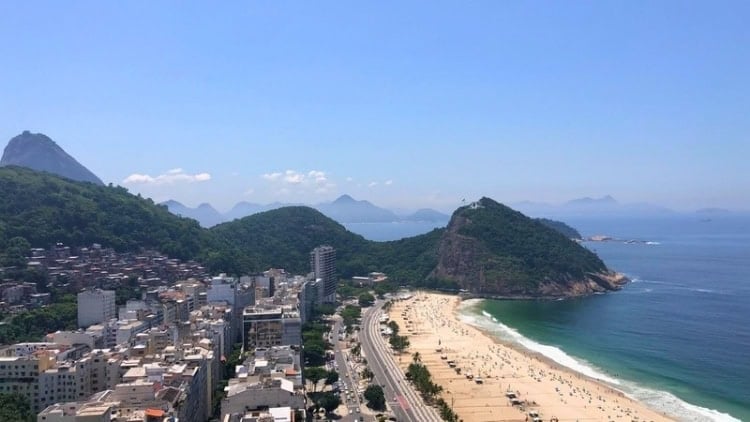
Paragliding and hang gliding flights launch from Pedra Bonita inside Tijuca National Park and descend onto Pepino Beach in São Conrado. Morning flights often provide calmer winds and clearer views of the coastline. There is a range of hang gliding tour options on Viator.
Don’t skip the Jardim Botânico do Rio de Janeiro, especially in the late afternoon when the crowds thin out and the light softens beneath the imperial palms.
Guided favela tours led by residents offer a more nuanced understanding of Rio’s communities and culture beyond tourist stereotypes. Choose tours focused on education and community support rather than voyeuristic sightseeing.
Explore
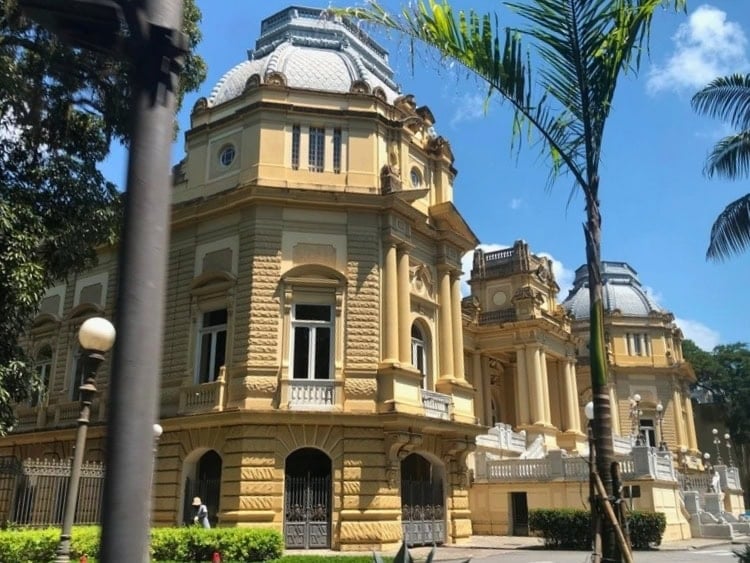
Spend time beyond Copacabana and Ipanema. The hillside neighborhood of Santa Teresa offers art studios, live music venues, and a slower rhythm that contrasts sharply with the beach districts below.
For nightlife, bars and music venues in Lapa come alive after dark with samba, live bands, and dancing that spills into the streets.
Know Before You Go
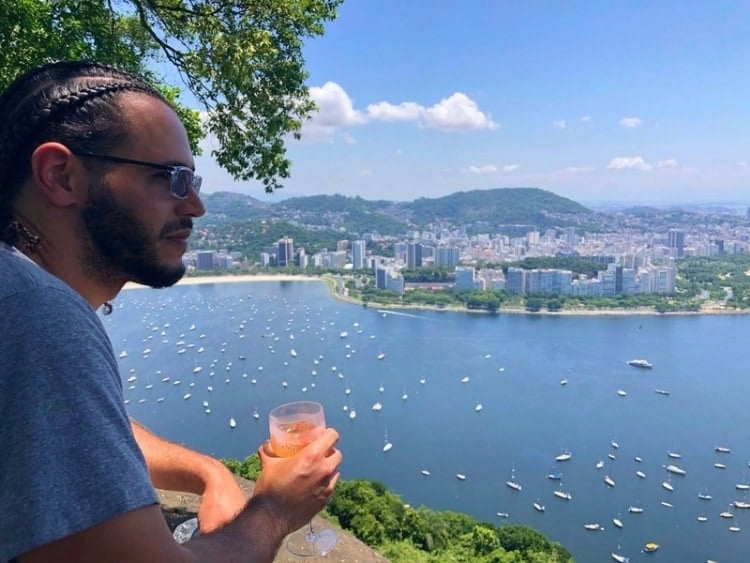
Rio’s energy can shift block by block, so travelers should remain aware of their surroundings and use trusted transportation at night. Like many major cities, Rio rewards curiosity and openness, but it also demands awareness and common sense. The best months to visit are generally May through October, when temperatures are warm but more comfortable, and humidity is lower.
Need a hand planning your trip? Here are the sites and services we rely on most, from booking tools to travel products we love.
Inspire your next adventure with our articles below:
- 10 Island Escapes for Surf, Sand and Sun Around the World
- 9 Life Changing Countries Worth Adding to Your Travel Bucket List
Author Bio: Carlos Omar Gardinet is a Miami-based journalist and senior copywriter covering travel, music, arts, and culture. A graduate of The New School in New York City, he has interviewed everyone from Chaka Khan to Zoë Saldaña, with bylines in “Miami New Times,” Vibe, BET, MTV, and the “New York Post.” He’s drawn to destinations where creativity, culture, nightlife, and nature intersect — from the cloud forests of Colombia to the beaches and mountains of Brazil to the red, sandy deserts of Morocco, and beyond.
Want to discover more hidden gems and helpful travel tips? Join our free newsletter for the latest travel secrets and travel articles.
We are reader-supported and may earn a commission on purchases made through links in this article.

- A Quest for the Best Frango Assado in Portugal’s Algarve - October 24, 2026
- A Week in Auckland: Parnell, Devonport and the Waterfront - October 24, 2026
- Where Empires Were Carved: Inside England’s Haunting Isle of Portland - October 24, 2026
Planning another trip soon? ✈️
Add GoWorldTravel.com as a preferred source on Google. Click the button below so our local guides, packing hacks, and hidden-gem itineraries always show up first when you search!
Add to Preferred Sources