
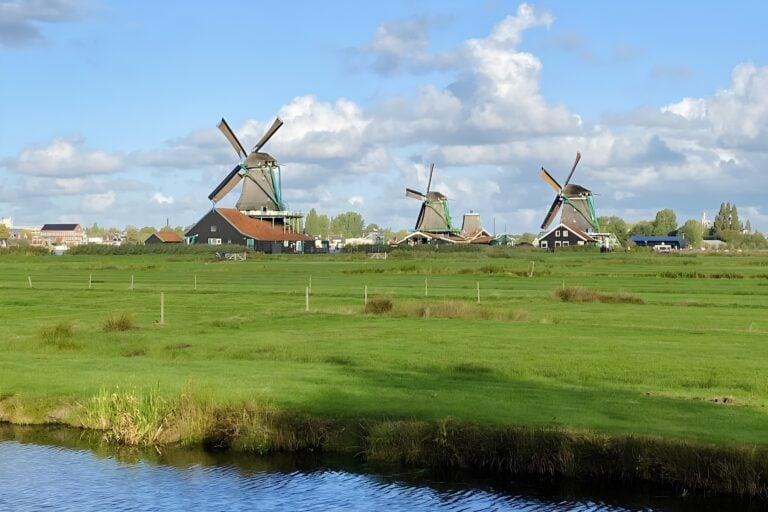

When you think of the Netherlands, what comes to mind first? Fields of colourful tulips, canal-lined cities, or bicycles everywhere? While all of these are part of Dutch culture, one symbol feels truly timeless: the windmill.
Located about an hour from Amsterdam, Zaanse Schans is one of the country’s most famous cultural villages. Known for its historic windmills, traditional workshops, wooden houses, and peaceful countryside scenery, it offers visitors a glimpse into Dutch life from centuries ago.
The trip to Zaanse Schans is one of my unforgettable experiences in the Netherlands. I’ll share my journey and practical tips to help you plan an enjoyable and memorable visit.
Stepping Back in Time at Zaanse Schans
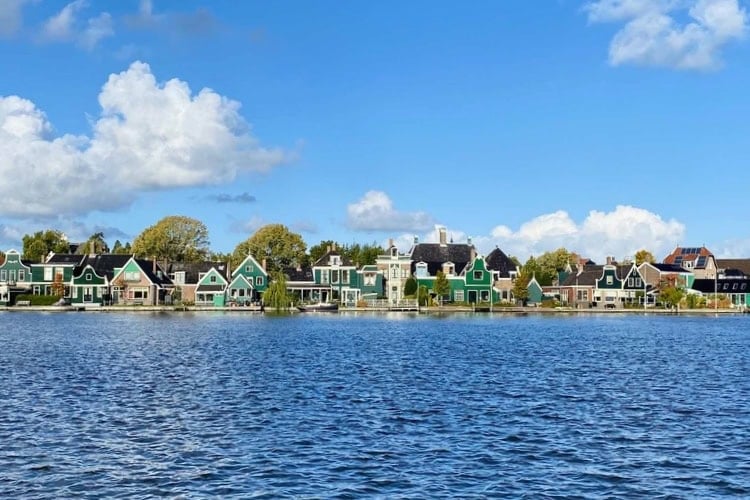
Arriving in Zaanse Schans feels like stepping back into the 18th and 19th centuries. The Zaan region was once the oldest industrial area in Western Europe, home to more than 600 windmills that powered industries producing spices, oil, paint, and other essential goods.
Today, many of those historic buildings and windmills have been carefully preserved, creating a village that feels both historical and alive. What makes Zaanse Schans special is that it does not feel like a traditional museum. People still work inside some of the windmills and workshops, and visitors can watch traditional crafts being practiced in real time.
Walking through the village, I loved how peaceful everything felt. Wooden bridges crossed canals, ducks floated along the riverbanks, and every corner looked so appealing. Personally, spending a few hours here offers a peaceful yet fascinating way to understand Dutch culture.
Next, I will give you a detailed “what to do” guideline in Zaanse Schans for your upcoming trip.
The Windmills: The Heart of Zaanse Schans
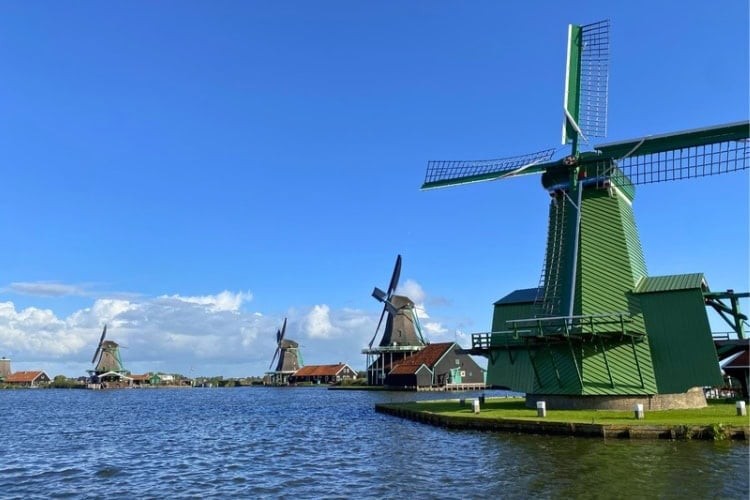
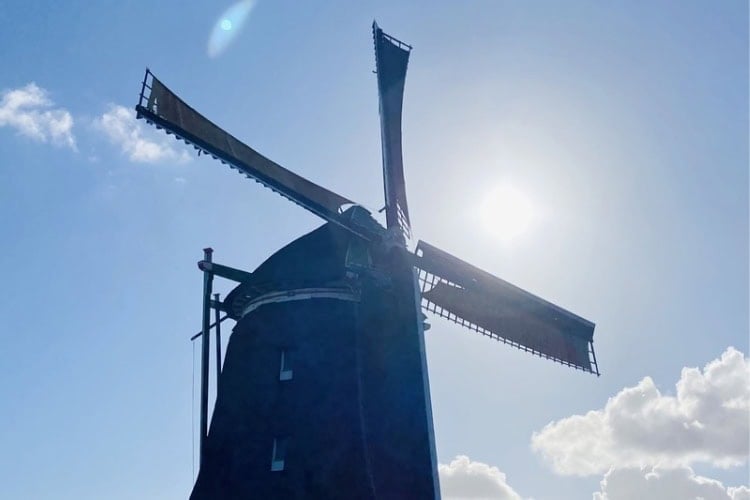
Of course, no visit to Zaanse Schans would be complete without seeing its iconic windmills standing beside the sparkling river. There are 13 windmill buildings in total, with more than half still operating and open to visitors. Built between the 18th and 19th centuries, these windmills once played a vital role in the Dutch economy.
Inside some of them, visitors can still see traditional processes such as flour milling. Watching the old wooden machinery move was fascinating, especially knowing that these windmills once powered entire industries centuries ago.
For a small fee, you can climb to the upper levels and enjoy views across green fields, waterways, and wooden houses. From a distance, the sight of giant blades turning slowly in the wind perfectly captures the calm rhythm of the village.
Henri Willig Cheese Workshop
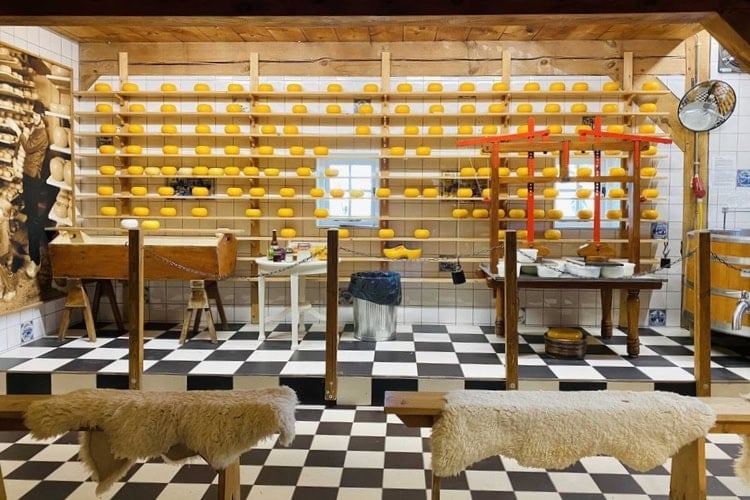
One stop I especially enjoyed was the Henri Willig cheese workshop, a well-known Dutch cheese producer. Here, visitors can learn about the history of cheese-making and observe how Gouda cheese is produced using traditional techniques.
There are dozens of flavors to try, from classic cow and goat cheese to more unique varieties mixed with herbs, chili, garlic, and smoked. I did not expect there to be so many options, and it quickly became difficult to choose a favorite. I am sure that you cannot leave without picking up some products.
Address: Zaanse Schans, 1509 AW Zaandam, The Netherlands
Opening hours: 8:30 a.m. to 5:00 p.m.
Zaans Museum
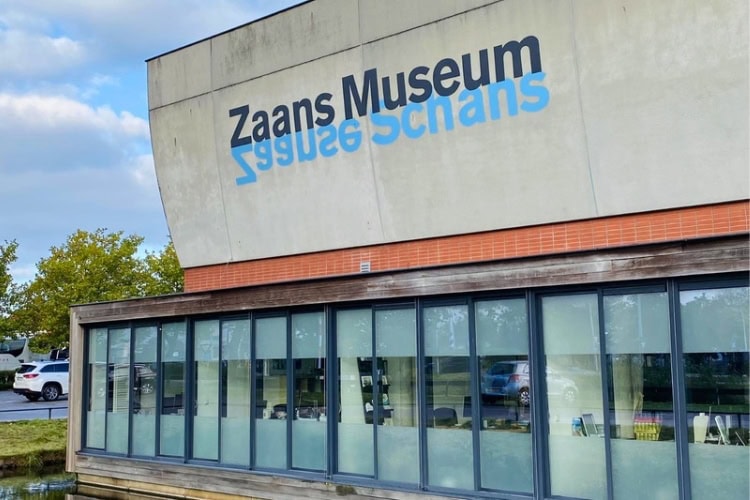
Near the entrance of the village, the Zaans Museum offers a deeper look into the history and industrial development of the Zaan region. Founded in 1994, the museum features modern architecture that blends surprisingly well with the peaceful surroundings.
The exhibits explain how the region became an important industrial center and how windmills shaped daily life and local businesses for centuries.
For travelers who enjoy learning more about the places they visit, the museum adds valuable context to the experience. It also provides a nice break if the weather becomes cold or rainy.
Opening hours: 9:00 a.m.–5:00 p.m.
Ticket price: Learn more at the Zaans Museum website
Traditional Dutch Wooden Shoes
No visit to Zaanse Schans is complete without seeing traditional Dutch wooden shoes, known as klompen. These traditional shoes have existed for more than 700 years and were originally designed to protect workers’ feet from water, mud, and harsh working conditions.
Although they are rarely worn today, wooden shoes remain an important part of Dutch identity and a popular souvenir. Around the village, you can watch demonstrations showing how wooden shoes are made and, of course, take photos with oversized decorative clogs.
When Is the Best Time to Visit Zaanse Schans?
Zaanse Schans welcomes visitors throughout the year, but some seasons offer a more enjoyable experience.
I personally recommend visiting in spring, when the weather is mild, the grass is bright green, and the village feels especially fresh and peaceful. Morning visits are also ideal because the light is softer for photography and the crowds are much smaller.
If possible, you should avoid peak travel periods in April and October, when tour groups and holiday visitors can make the area feel much busier. You may also find these tips to beat the crowds in Europe helpful when planning.
What Makes Zaanse Schans Special
Zaanse Schans is more than just a famous tourist attraction near Amsterdam. It is a place where Dutch history, culture, and everyday traditions still feel present. From working windmills to traditional cheese and wooden workshops, every detail tells a story of the Netherlands’ past.
What stayed with me most was not only the scenery but the atmosphere. Everything moved at a slower pace, making it easy to pause, look around, and appreciate the details.
With a little planning and the tips below, your visit can be both relaxing and memorable. If you are looking for an authentic cultural experience close to Amsterdam, Zaanse Schans is worth adding to your itinerary.
If You Go
Getting there:
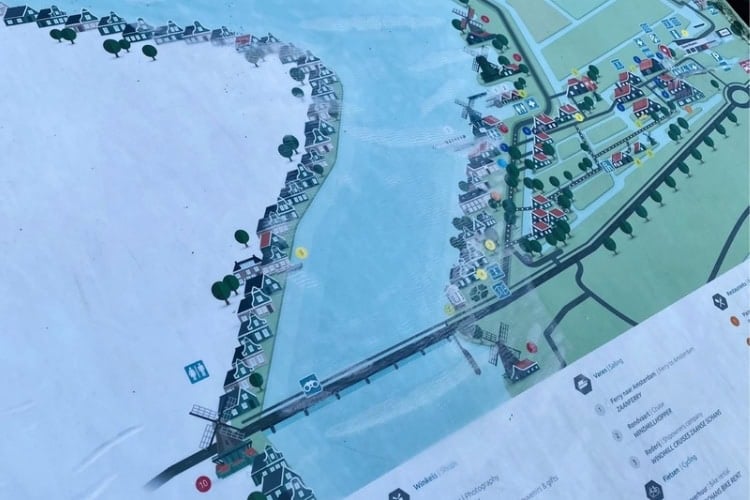
- From Amsterdam Central Station, you can reach Zaanse Schans by train and local bus in around one hour. In my opinion, public transport in the Netherlands is modern and easy to navigate.
- Another favorable option is renting a car, especially if you plan to explore nearby towns. In fact, navigation apps and Google Maps work very well throughout the country.
Opening hours:
The museum and windmills are generally open from 9:00 a.m. to 5:00 p.m. I highly recommend arriving early to avoid queues and give you more time for photography.
Tickets:
Walking around Zaanse Schans and viewing the windmills from the outside is free of charge. However, entry tickets are required to visit the interiors of individual windmills and the museum.
- – Windmill entry fees typically range from €3–€5.50.
- Zaans Museum tickets are €17.00 for adults and can be bought online.
- To save money, I suggest getting the Zaanse Schans Card, which includes admission to several attractions and discounts on parking. If you plan to visit other attractions in Amsterdam, the Amsterdam City Card is also worth considering.
Some helpful tips for visiting Zaanse Schans
- Bring snacks and water: Dining options are limited, so light refreshments are useful.
- Wear comfortable shoes: As exploring the village involves a lot of walking.
- Travel light: Smaller bags make moving around and taking photos much easier.
- Be careful near the water: The village lies close to rivers and canals, often without barriers. Extra attention is needed when traveling with children.
Need a hand planning your trip? Here are the sites and services we rely on most, from booking tools to travel products we love.
Inspire your next adventure with our articles below:
- The Ultimate European Bucket List: 23 Life-Changing Experiences
- Walk Amsterdam’s Historic Canals: Van Gogh Haunts, a Secret Church, and Quirky Museums
Author Bio: Huyen Tran is a curious traveler with a lifelong passion for exploring the world. She loves telling travel stories through words and photographs, capturing the spirit of every place she visits. You can find more of her journeys on TikTok.
Want to discover more hidden gems and helpful travel tips? Join our free newsletter for the latest travel secrets and travel articles.
We are reader-supported and may earn a commission on purchases made through links in this article.

- Canadian Rockies in 10 Days: Glacial Lakes, Wildlife and First Nations Culture from Vancouver to Calgary - October 18, 2026
- One Day in Malta, From Valletta’s Golden Streets to Temples Older Than the Pyramids - October 18, 2026
- Skiing Above Santa Fe: Powder, Glades and the Family Who Thins Them by Hand - October 18, 2026
Planning another trip soon? ✈️
Add GoWorldTravel.com as a preferred source on Google. Click the button below so our local guides, packing hacks, and hidden-gem itineraries always show up first when you search!
Add to Preferred Sources